


At the Abortion and Reproductive Justice Conference in Nairobi, we met 11 young feminists supporting abortion and reproductive justice throughout the global south.
From Brazil to the Philippines, these are the Roaring Voices of Abortion Justice.
Petronila, Dominican Republic
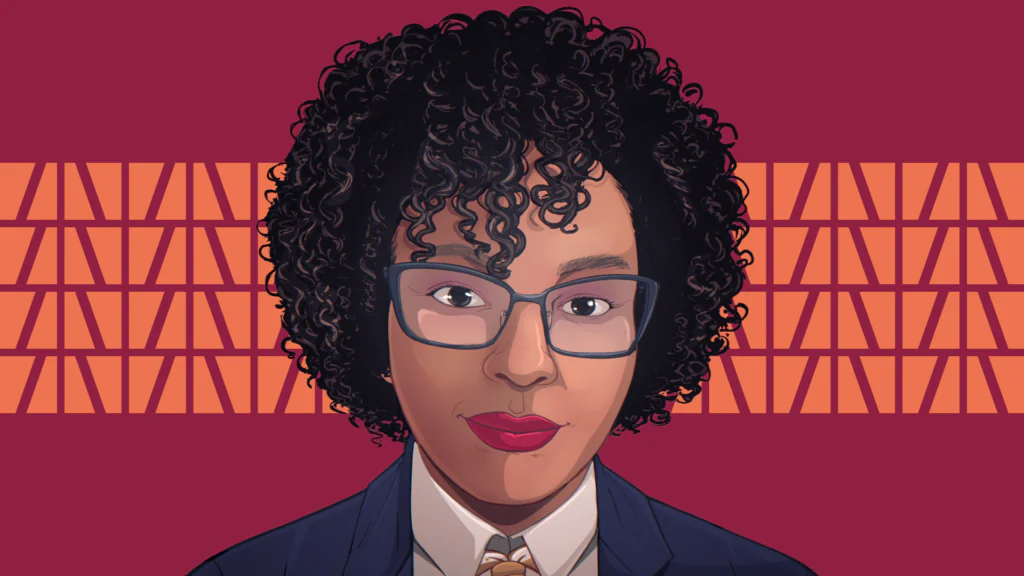
In the Dominican Republic, Petronila works to provide access to reproductive healthcare in the face of total restrictions.
The Dominican Republic is one of a handful of Caribbean islands that maintain total restrictions on abortion. This means that abortion is also prohibited in the case of rape or incest and if there is threat to the life of the foetus or pregnant person. In 2025, reproductive justice activists campaigned to reduce restrictions on abortion as part of the process to introduce a new national penal code in DR. Despite the best efforts of local civil society and international allies, the updated version of the penal code maintained the “draconian total ban on abortion” and was instated with 159 votes in favour and 4 against.
Still, activists like Petronila work to provide life saving care to abortion seekers in their communities.

For people seeking reproductive healthcare in the Dominican Republic there are numerous barriers including lack of access to contraception, limited access to reproductive health information, discrimination and stigma. Petronila shares that service providers go as far as to deny folks access based on how they are dressed.
“In my country, there are many community centers that don’t provide services to young girls if they show up wearing just a t-shirt (dressed casually), or if they are minors, even if they are sexually active, they don’t provide any counseling or access to contraceptive care. And if they are going, it’s either because they are sexually active or are thinking of having sex. And then there’s the other part, that we have a high incidence of HIV, and this is because the majority of people who are young, don’t get information when they go to these centers seeking counselling on contraception or prevention of STIs.”
Despite these barriers and an increasingly difficult context for reproductive justice advocacy, Petronila continues to find joy in the work that she does to support her community.
“I feel extremely satisfied being able to see a girl who thought her life projection was going to be interrupted due to an unplanned and unwanted pregnancy, having been able to solve that situation. Their faces. Sometimes, the happiness in their face… it’s… I don’t even know how to put it in words. But it makes me so happy that she will be able to build the life that she wants for herself.”
***
Josephine, Kenya
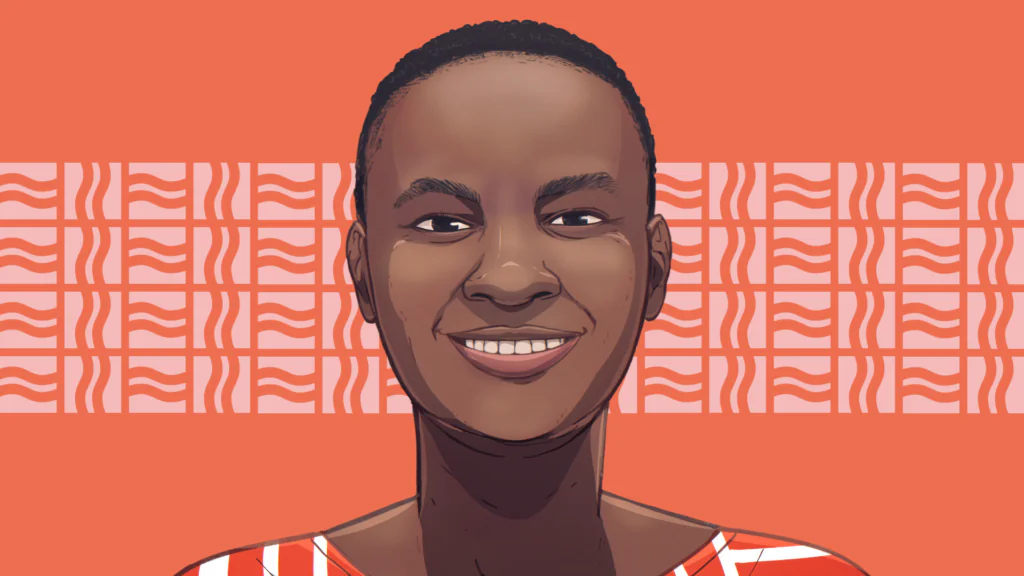
In our conversation with Josephine, we learned about the challenges faced by people seeking abortions within rural communities in Kenya and the work that Josephine and other abortion activists have been doing to combat stigma, promote education and reframe local understandings of abortion. Josephine also shared candidly about her own experience seeking an abortion and what this meant for her advocacy and her future.
“for me, abortion saved my life, it saved my future,”
In Kenya, abortion is restricted under Article 26(4) of the Constitution which states that abortion is not permitted except in the case of the need for emergency treatment, in cases where the mother’s life is endangered and if any other written laws permit it. In April of this year, the government further emphasised its position when the Kenyan appeals court overturned a ruling that recognized the right to abortion as a constitutional right.
We spoke to Josephine about what access to abortion looks like for the rural Kenyan communities that she serves. She articulated that taboos around abortion intersect with issues of education, harmful gender norms, traditional values and contraception stigma.
Josephine leads Rural Women Action on Street Health (RWASH), an organization that supports rural women and girls, sex workers and other marginalized groups to access reproductive justice and to combat tech-facilitated gender-based violence (TFGBV).
“I work with Rural Women Action on Street Health, based in Kenya, in a small village in Kakamega County, on the Western part of Kenya, and basically, our work is around reproductive justice, where we are [providing] access to justice for rural women and rural girls, and also young sex workers who are involved in online sex. [We’re also] doing a lot of advocacy on digital access and digital rights, … we really just stepped up in terms of … [tackling] tech-facilitated GBV, and also just making sure that our community is safe online and providing information that most of the time would not cascade down to rural areas.”
In Josephine’s community, the stigma surrounding abortion and even contraceptives make it difficult to start conversations about sexual and reproductive justice.
“In our community abortion is something unspoken of, it’s something that people don’t talk about.”
Gendered social norms and expectations mean that most young women don’t attend university, instead opting to get married and start families. These same norms also shape the way that family planning is approached. Josephine shares that large families are considered a sign of male virility. As a result, there’s a marked deprioritisation of comprehensive and factual information about contraception.
“We’ve received a lot of backlash when [discussing] family planning. Those are not things that women in the village would like for us to share because a man, in our context, is judged by the number of children that they have. So when you have 5 children, that is when you seem to be considered a man enough. There’s [also] issues around polygamy. People want to have as many kids as possible.”
RWASH is addressing this gap by translating the Sexual and Reproductive Health (SRH) knowledge from feminist spaces in a way that is accessible and contextually relevant to the communities that they serve. For Josephine, this has meant explaining reproductive justice concepts in simple terms, using coded terms to describe service provision and even going as far as to change the name of her organization.
“In our context, abortion work for us and what we’ve learnt is the issue around language. So, if I go to my community today, I will not talk of family planning. I will tell people “you know, guys space your children well so that you’re able to, you know, take care of them”, and you’d give them an example. We’re really trying to coin a language around abortion. For example, if someone comes to me to give them the pills, cause we’ve worked with other organizations that have been able to train us on self-managed abortion. It’s a service that we’re able to provide even from home, but then, when they come to me for those services, they will use a code word or phrase to describe the service that they’re seeking.
“When we started doing the work we were very radical, and I was sharing instances in which we had to change the name of our organization. Initially, our organization was just coined around the S, was sexual health, but now we’ve had to change it to street health. Because it’s a paradox, it’s an ambiguous word that also has really helped us.”
This work is not without its challenges and Josephine shared openly about the backlash that she and her organization have faced which has shifted the way that they do their operations. Discretion is tricky though, when the folks they provide services to do not practice the same degree of caution.
“When it leaks to the community [that you provide abortion services], you’re seen as a bad person, that is trying to rot the society”
In spite of the challenges and the reputational risks, Josephine loves this work. It’s a love that is rooted in her own experience seeking an abortion after becoming pregnant while on a scholarship. Now a mother of two, Josephine acknowledges that her life would have been much different if she had chosen to continue that pregnancy.
“I got pregnant and then I was on a scholarship, and you know what happens to such students, so a lot of things come to mind like, ‘the moment I step out, the moment I give birth to this baby, the scholarship, my future is not there. There is no future for me the moment I drop out of school because of pregnancy’.”
Josephine shared having the courage to share her experience with a cousin but then having this backfire. Still, she remained steadfast in her decision to have an abortion to safeguard her future.

In a final note, Josephine summarized what abortion means for her.
“Abortion to me is about choice, it’s about your future, it’s about being ready”
***
Dolma, South Asia
We spoke to Dolma, a reproductive justice activist about what the landscape of sexual and reproductive justice looks like in their context.
“Where I come from, access to abortion is…, honestly more than being complicated, I think there is a lot of misunderstanding around it. One of the biggest misconceptions is that people think abortion is completely illegal. That’s what most people believe, but if you actually read the law carefully, there are certain legal exceptions.”
Abortion legislation in South Asia has often been described as a “patchwork of laws”, with access varying from more liberal legislation in India to total restriction in countries like Pakistan and Sri Lanka. A 2025 IPPF article describes the way that criminalization, stigma, shifting funder priorities and growing anti-gender movements worsen the environment for abortion advocates.
“Even asking a question about abortion can feel risky. It’s not something people openly discuss with family, friends, or even healthcare providers because people often don’t know how to get accurate information. Sometimes, they are relying on rumors, sometimes on social media, and sometimes they simply stay silent because they are afraid of being judged.”
Given the restrictive context for advocacy, Dolma and their peers often provide abortion support in clandestine ways.
“Our work often looks different from what people imagine activism to be. You know sometimes it’s just helping someone find accurate information, it could also be helping someone connect with trusted healthcare providers or someone who can provide them with services and pills. It could also just be answering some messages between them and I because they are really depressed and don’t know where else to turn. It could also be just sensitizing young people, or training young people, creating safer spaces to have conversations or simply reminding people that they have choices and are not alone.”
In this work, Dolma has learned that reproductive justice must extend beyond decriminalization and that small victories are also significant in the fight for reproductive justice.
“It’s sometimes very overwhelming because progress can feel so very very slow, but every person who gets accurate information instead of failing, feels like a small victory,”
Dolma shared with us that they find hope in health workers and allies who keep showing up and in a new generation that are standing up firmly against abortion stigma and for the right of all to dignity and bodily autonomy.
“I am also hopeful because these days younger people are asking not just different but also difficult questions than previous generations, they are more curious, more willing to challenge harmful norms, and more open to conversations about consent, reproductive justice and gender equality.”
***
Wemi and Bandit, Mexico
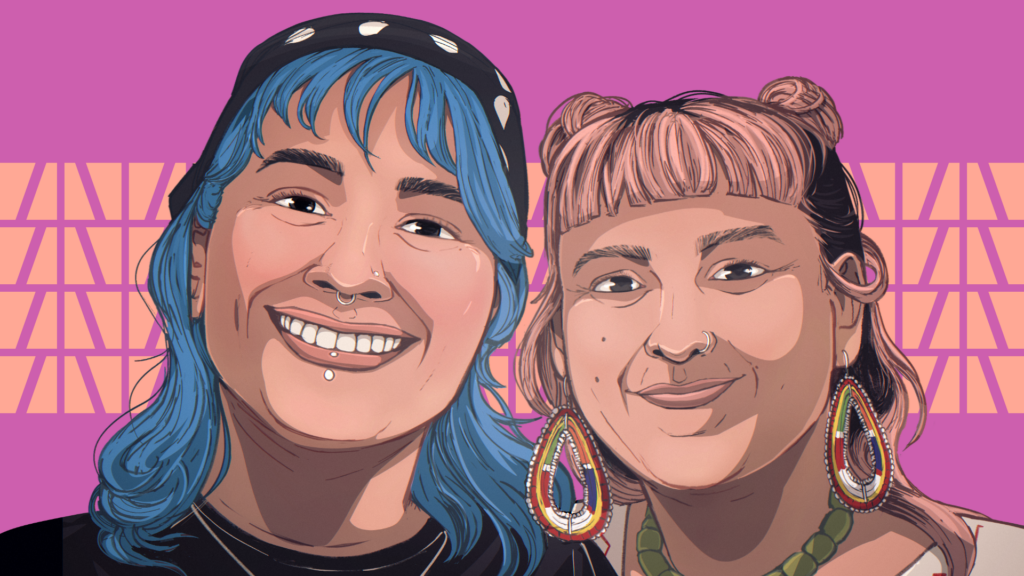
Wemi and Bandit are two young feminists from Tamaulipas, a northeastern state in Mexico that shares a border with Texas, United States. Even though abortion in Mexico has been decriminalized in more than half the state penal codes, and the Supreme Court ruled that it is unconstitutional to criminalize abortion and has overturned restrictive laws that seek to protect life from conception, abortion remains a crime in the local penal code except in cases of rape or if continuing the pregnancy causes a great risk to health or potential death. This means that women seeking abortions are still criminalized and there are no public health services within the state that can guarantee access to this reproductive care.
Another issue is stigma, as the penal code states that “the woman who procures an abortion will be given a penalty of one to five years, which may be substituted by medical treatment with objective of supporting women to get over the effects caused as a consequence of provoked abortion, as well as reaffirm the human value of maternity, helping the strengthening of the family.”
Beyond restrictions to reproductive care, the broader environment of violence and corruption in Tamaulipas add a heightened level of risk for abortion workers. The state’s proximity to the US border and the Gulf of Mexico make it a transit hub for the illicit trade of fuel, which is one of the strongest income sources for Mexican cartels beyond narcotics.
“We live in a context embedded in violence, in a state controlled by narcos and cartels, which makes our accompaniment work more challenging, since we can be threatened with violence by these cartels if they don’t agree with the work that we do.”
– Wemi
Wemi and Bandit work as virtual “acompañantes”. This means that they provide virtual support to persons seeking abortions to help them get access to medication, factual information, and professional support.
“What we have been doing, from the very beginning, is to provide access to safe abortions to people who need it. [We] share information, provide whatever is needed for them to have a safe, self-managed and at-home abortion using medication, and we also accompany people in their self-managed abortion so they don’t have to go through this alone. Right now, as part of the accompaniment that we do, we’re also referring them to experts in case they need any kind of emotional support or containment before, during or after the process. Since we’re “acompañantes”, we also care for people and support them while the process is being done, not through a systematized or one-size fits all recipe, but centering what the people need, through love and tenderness.”
-Bandit
Beyond their virtual work, they support communities through in person interventions dismantling stigma and promoting abortion education. Wemi describes a particular advocacy effort that their group leads during the 8th of March feminist protests.
“In the 8th of March protests, we also have socialized information through kits that contain birth control, medication and information on self managed abortion. We pass through a street that is dedicated to sex work and this is where we hand out most of these kits, so these communities can be in contact with us if they need support.”
-Wemi
We pivoted our conversation to lessons and Wemi shared poignantly on the importance of centering abortion seekers in abortion work.
“We’re anti-system, so I do not like at all when abortion becomes completely institutionalized and pictured as a profitable business for a few. This is what I would like to highlight: that we follow the same line with which we started doing this work. I understand that we all have to eat and make ends meet, but it’s important that we don’t forget why we started this work: to help other women. We don’t want this to become a “ohh you’re paying me” and that leads to losing our focus on why we even started doing this work, which is access to decent and loving abortion for all.”
– Wemi
“As it was mentioned, centering the people we are accompanying. Also that we must always be procuring our selfcare, which, in this context means taking into account our surroundings and the context of the people we accompany and our collectives because no context is equal to that of others, no collective lives the same, no accompanied person lives the same experience and none of us doing the accompaniment live the same. We’re all different, diverse, and this is why each one of us must take our context into account. Where we live, how we live and what risks come for each collective or person because I know that collectives are at risk, knowing my experience in my own collective. Of course, remembering my own context and that of my collective, and reminding myself, considering myself in the care what that I need as someone accompanying others: when I need to stop, what do I need to share with others, what do I want to put out there when I am accompanying others, my limits, and how I want to relate to others. All of this is self care, and we should never ever forget about ourselves and how we take care of our collective.”
– Bandit
We closed our interview asking Wemi and Bandit what brings them joy in their work and they shared about how much they love the human connection that comes with abortion accompaniment and the joy of learning from abortistas from other contexts and territories.
“For me, what I like the most is when, – because it’s really common because of the type of accompaniment that we do-, our accompaniment comes from a very very loving place. When I have the chance to build a relationship with one of the persons I am accompanying beyond the accompaniment itself and that they start to show interest in me, my life or when they’re loving and speak tenderly back to me, and it becomes reciprocal. There’s a mutual warm way to receive love from each other. Of course there are people who only want to be accompanied through the process and that’s it, and that is perfect because they’re the ones to decide how to be accompanied, but of course, when I have the chance to work with a person who is willing to receive more than just the accompaniment of the process and wants to share how she is feeling, to ask for advice, or being contained, that is one of my favorite parts, because it makes me feel connected to her. It makes me feel much more when I get to accompany not only the abortion process, but their emotional process too. And I love that.”
– Bandit
“Accompanying women, definitely. And also learning from other contexts, territories and connecting with others. The work that we do, we’re not the only ones doing it. Across the world, others are doing it, and it’s really exciting learning how they do it in other spaces and territories. And I also really like all the friendships that have evolved from this work and my collective. I believe we have done a great job. And the opportunity to meet other women is one of the most marvelous things.”
-Wemi
***
Amanda, Malaysia
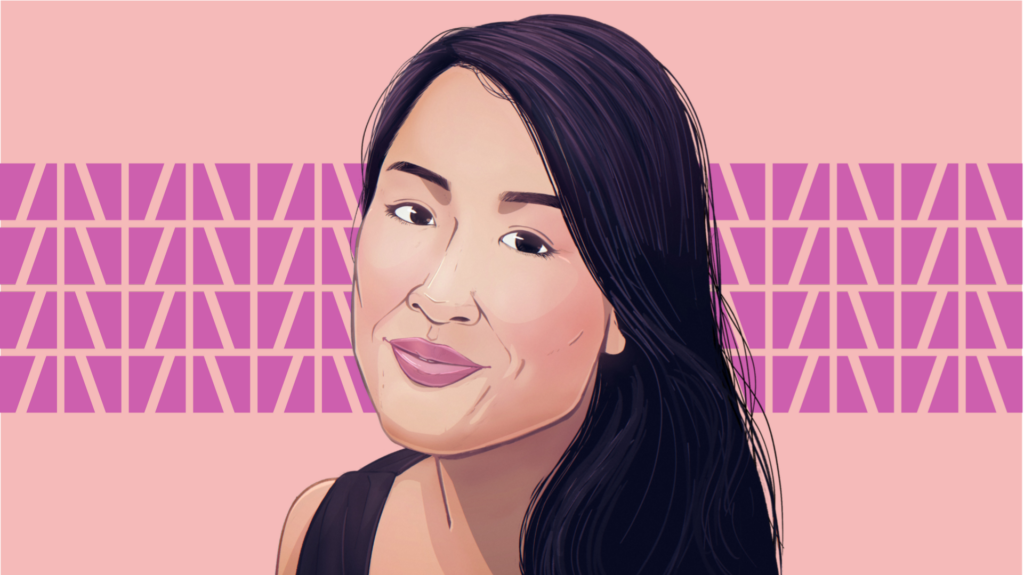
Amanda Tiew is an activist and feminist based in Kuala Lumpur, Malaysia. Through the Reproductive Rights Advocacy Alliance Malaysia (RRAAM) she works as a hotline volunteer sharing information to abortion seekers in Malaysia including information about surgical abortions or medical abortions with pills.
In Malaysia, abortions are not illegal, but are restricted. Like some countries in Southeast Asia, there are three conditions under which an abortion can be performed.
“Malaysia shares a somewhat similar context to other neighbouring Southeast Asian countries. We have a Penal Code exception that makes abortion permissible, so that’s how we interpret it under Penal Code 312. It has three conditions: to protect a pregnant person’s mental or physical health, or their life, one good faith, and it’s between two people, which is the medical practitioner and the pregnant person itself. We advocate for that interpretation of the law to make abortion accessible. Of course this context is much broader than the law itself.”
Despite the three conditions, stigma and misinformation prevent abortion seekers from accessing abortions and medical workers from providing this form of healthcare.
“We know that in Malaysia, a big part of misunderstanding the law is stigma and social perception of what access can be. A lot of people continue to think that it’s illegal and this is widespread, especially within the medical industry itself. Nurses, practitioners, service providers don’t believe that they can provide abortions, and that stigma has roots in the legal harassment that they can also face if they provide abortion services. We have had cases of a migrant worker being imprisoned for their abortion, and they were released because there was no valid legal cause for their imprisonment. This also meant that the medical providers then really carry that burden of fear and shame and even threats of losing their medical licenses.”
Another trend that Amanda identified was that in Malaysia, abortion providers were dying out with little uptake by the new generation.
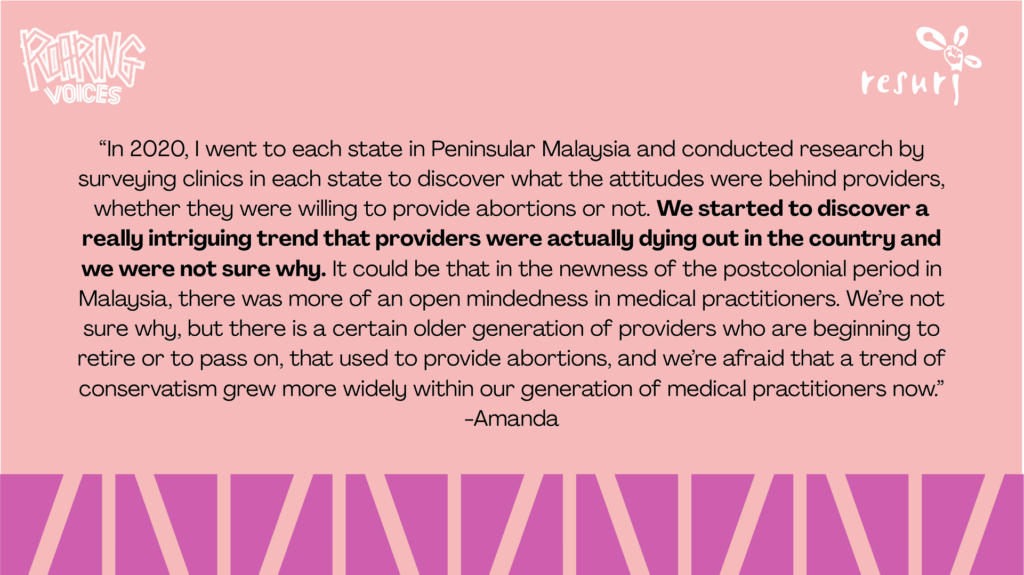
To combat this, RRAAM extended their work to young abortion providers to aid in addressing and reducing abortion stigma amongst a new generation of medical professionals.
“We’re running young provider workshops where medical students across the country are invited to destigmatize abortions and actually learn what the Penal Code says about abortions, that they are allowed to provide them – not just OBGYNs, but general practitioners too, and that it’s legally protected. So we’re trying to actively destigmatize that and also provide long-acting reversible contraception workshops. We’re trying to promote that too, so it’s like a dual approach.”
For our final question, we asked Amanda what she loves about abortion work and she shared with us that for her abortion is freedom.
“I’ve been thinking a lot about, especially since being in ARJC, how, and we say this but the meaning really strikes deep, especially when we gather as a community globally, that… abortion is freedom. And this really is at the heart and the core of why I love this work and being able to support people to have the abortion of their dreams. This freedom for them is freedom for all of us who are working towards this. In a way, it’s almost like this work is equalizing. Wherever you come from, if you’re able to get pregnant, you may likely need an abortion one day, and someone else who has been able to get pregnant likely has had that experience, whether it is through their experience or through the people that they know and love and care about, and in this way, this really does – I don’t know if equalize is the word – but brings us together to understand that we are able to free each other when we free abortions. In a world that feels more and more divided and that feels more and more depressing because of that, I feel like we have to really remember what is at the core of this: that abortions are freedom and that we free each other when we free abortions too.”
***
Pauline (Phillipines)
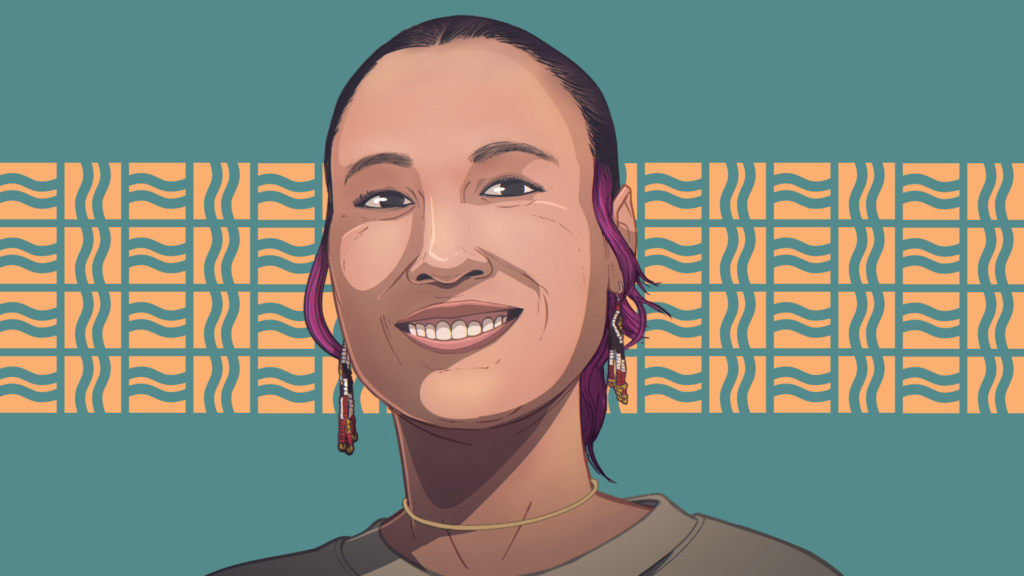
Pauline is a young feminist based in Manila and a member of the Philippine Safe Abortion Advocacy Network (PINSAN). We caught up with her at her first Abortion and Reproductive Justice Conference (ARJC) to understand abortion rights in her context and the work that the network is doing to shift public opinion, bust stigma and advocate for legislative change.
In the Philippines abortions are illegal with strict penalties that are maintained from the colonial era and that aid in upholding archaic norms around family honour. The right to life is enshrined in Section 12 of the Philippine Constitution which states that the State shall, “equally protect the life of the mother and the life of the unborn from conception.” This constitutional basis is further supported by the Revised Penal Code which criminalizes different forms of abortion depending on if violence was involved, who the procedure was performed by, whether or not the pregnant person consented to the procedure and whether or not the offender was a medical professional.
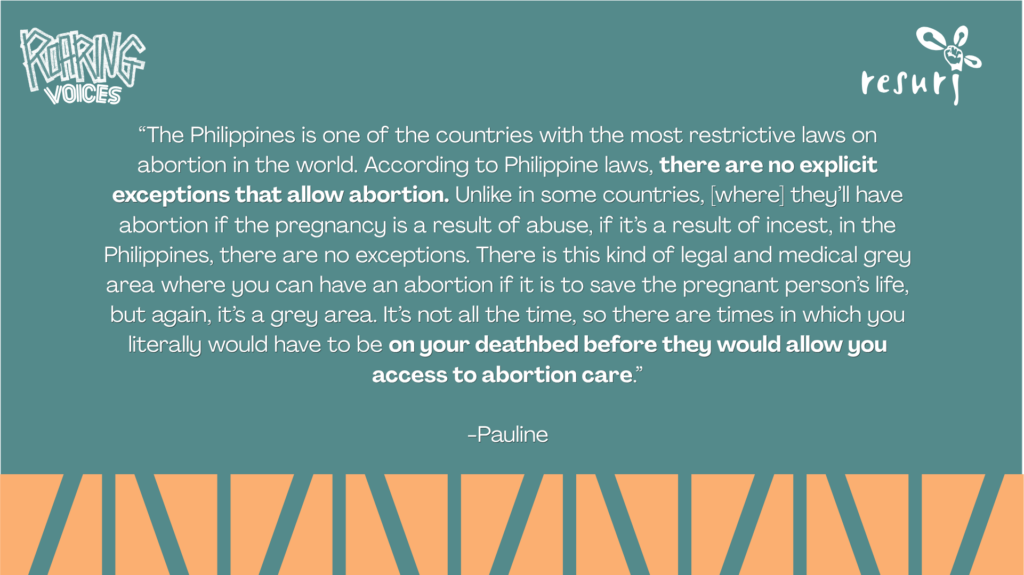
In 2012, after over a decade of campaigning by Philippine SRHR advocates, a law was introduced that provides a window for abortion advocates to give support. This law, known as the Responsible Parenthood and Reproductive Health Act of 2012 (RPRHA) regulates post-abortion care. The act explicitly acknowledges that abortions are illegal but stipulates that all women needing post-abortion care, “shall be treated and counseled in a humane, nonjudgmental and compassionate manner in accordance with law and medical ethics”.
Pauline’s work sits for now in this narrow legislative opening. At PINSAN, Pauline works to bring justice to all the people in the Philippines who need access to abortion care through increasing public awareness, destigmatisation and legal advocacy.
“PINSAN was actually born out of the realization that we’re a fringe issue. No one is talking about this even in the broader SRHR movement. In the Philippines, abortion rights is kind of like, it creates a strange caution… [W]e just want people to start the conversation about this and kind of desensitize people to the word, to the language and kind of have a real conversation on accepting that abortion is just a normal medical term, and then kind of building on that acceptance that it is a human right and we should make the strides to make it so that those rights are protected.
On PINSAN’s legal advocacy, Pauline shared that they have been working to introduce a decriminalization bill.
“Right now, kind of our centerpiece campaign at PINSAN is our legal advocacy work. We have drafted this decriminalization of abortion bill. It’s currently being introduced to decision makers, to senators, to members of congress, and we’re trying to get that bill passed. We’ve had a lot of good conversations with different law makers, hopefully in the next months, next years, or whatever, we finally get our foot in the door in terms of getting that bill talked about within the lawmakers in our country.”
For her final note, Pauline shared that she remains optimistic about legislative change despite slow progress.
“As I mentioned, the struggle for the RPRH law was a landmark law for SRHR advocates in the Philippines. It took more than a decade. It takes a long time to build on our wins, to build on our successes. There is this conversation that we’re having on abortion rights, is this even possible? Is there even space for this in the conversation in the Philippines? Is what we’re doing futile? Is there even a point? So, the lessons and the hope that we’re finding there is that, it seems bleak, but we kinda just have to keep working and keep building, keep having conversations, keep networking and keep finding donors, and maybe one day, perhaps, you know, we will finally be able to achieve the goals that we’re setting out for ourselves, because what’s the harm in trying?”
***
Yasmin and Laura, Brazil
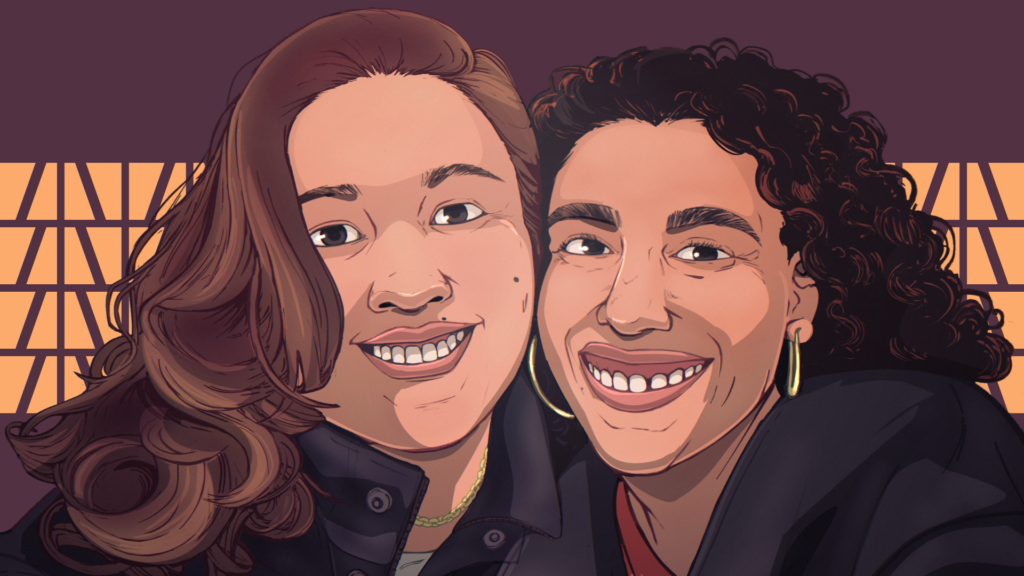
The next roaring voices we connected with at ARJC were Yasmin and Laura, a badass feminist duo from Nem Presa Nem Morta, an organisation working to change abortion laws in Brazil through strategic communication and policy advocacy.
“We carry out actions in Brasília to directly influence decision-makers, as well as in local communities, and we produce original communication — popular, informative, scientific, and reference material — about abortion, whether to reduce stigma or spread reliable information. We also organize training sessions in local communities, mobilization actions, and much of our work is carried out collectively, in order to consolidate and expand the ecosystem defending abortion rights in Brazil.”
Abortion is only legal in Brazil in the case of the three exceptions: risk to life, sexual violence and anencephaly. The thing is, even with these exceptions, persons seeking abortions face legal and logistical restrictions that make it almost impossible to access an abortion. As we know all too well, this doesn’t stop abortions from happening. These restrictions only serve to make abortions more unsafe.
“Although Brazil’s population is over 200 million people, fewer than 2,000 legal abortions are performed per year. The medication is not available in pharmacies, only in hospitals registered to perform the procedure with the Ministry of Health, which centralizes the purchase of supplies. Fewer than 4% of Brazilian cities have a legal abortion service. In clandestine settings, about 1 in 7 Brazilian women has an abortion.”
Racial dynamics, Christian fundamentalism, and biased jurists add further hostility to the environment for abortion seekers, practitioners and activists.
“Access to safe abortion in Brazil is still an elitist and white reality, while public debate remains heavily permeated by moralism. The guilt and judgment faced even by those who manage to access the process easily, despite criminalization, still reflect a stigma rooted, above all, in Christian religious fundamentalism. Girls and children who should have guaranteed access under the causal exception of sexual violence are still persecuted and/or deprived of their right — whether by biased jurists who act based on their own convictions rather than the law, by healthcare professionals who act as police investigators and violate medical confidentiality to report those who have abortions, by pro-life organizations that harass and deceive those seeking a legal abortion, or even by the conscientious objection of healthcare teams around the country — almost an institutional objection, which does not legally exist.”
Despite this restrictive context, abortion activists in Brazil continue to fight for reproductive healthcare. Through the Unified Health System, abortions are accessible free of charge for abortion seekers. The Brazilian abortion movement has also found success in the court of public opinion, as Yasmin and Laura noted, “In terms of public debate, the work of the Brazilian feminist movement has ensured an increasingly informed and diverse public discussion on abortion, to the point that today the majority of the population supports the cases in which abortion is legal — even as far-right disinformation strategies directly impact access to the procedure.”
We asked both young feminists what they love about abortion work and here is what they shared with us:
“I love being able to talk about abortion in any conversation because it’s the subject I spend the most time thinking, talking, and reading about. I love meeting incredible people and, even more, working with them on projects that truly communicate the truth of people’s lives. I love the quality of the projects we develop, both in terms of research and in the ability to communicate, with courage and radicalism, the autonomy of our lives expressed in our body-territories. I love finding people as passionate about what they do as I am, in so many harsh and violent realities, yet who find smiles and companionship in a struggle deeply committed to social transformation.”
-Yasmin
“Working with abortion is revolutionary and also allows us to be creative in our actions because it’s necessary to be strategic, bold, and innovative to deal with such a criminalized and taboo subject in society. It also allows us to work with people from the most diverse fields who are committed to this right, whether healthcare professionals, psychosocial support workers, communicators, or feminist companions/doulas (“acompanhantes”). I love how those who work with abortion are politically committed to a better society and very good at what they do.”
-Laura
For a closing note on hope, both feminists reflected on the conference in Kenya and the renewed energy it instilled in them to continue this work.
“The Conference in Kenya was a historic milestone of great hope for us. Meeting so many people, from so many parts of the world, with such innovative actions, made us certain that we have a lot of work ahead, but that we are incredible in our activism for this cause. Feeling that originality and courage in a social movement is what gives us hope to keep building beyond the barriers imposed by racism, classism, and heterocisnormativity in our territories. Without a doubt, renewing our references strengthens the hope for a world in which Reproductive Justice is central to our way of doing politics!”
***
Brisa, Costa Rica
In Costa Rica, access to abortion faces severe legal restrictions. With a right-leaning government actively working to restrict access to abortion, abortistas in CR are fighting an uphill battle.
We spoke to Costa-Rican abortion activist Brisa while at ARJC to learn more about the current landscape of abortion rights in Costa Rica and how their organization continues to ensure that persons seeking abortions have access to safe and dignified reproductive care.
“It’s really criminalized to have an abortion, to ask for an abortion, or even to be a holder of the abortion pills, the misoprostol or mifepristone…abortion in Costa Rica is forbidden even in rape cases and incest cases, fetal anomalies or birth defects, and socioeconomic reasons”
Current legislation in Costa Rica totally restricts access to abortion save for a narrow exception known as “norma técnica” or a therapeutic abortion. This describes an abortion that is necessary to protect a pregnant person’s life or health. Even for those who satisfy this exception, it is still difficult to access an abortion. The vagueness of the exception fosters fear and stigma amongst abortion seekers and medical professionals due to the risk of criminalization. On top of that, the conditions that need to be satisfied for a person seeking an abortion to access this care are a further deterrent. Commenting on these restrictions, Brisa shares that, “three “qualified” doctors have to get together and determine that necessity. Decide over your body, pretty much.”
“Historically, doctors and hospitals are very cautious because of legal uncertainty and regulatory requirements, so a lot of us, collectives, organizations and non-profits have come to realize that legal eligibility never translates into timely access to care.”
Gentrification, Brisa noted, adds an additional layer of difficulty for folks seeking abortions. The government’s focus on the tourism economy translates to lesser investments in necessary healthcare infrastructure for citizens.
In Brisa’s organisation, education is central to abortion advocacy not just for the communities they serve but to enhance their collective capacity as an abortion advocacy organisation. Another intervention that Brisa’s organisation prioritises is donor advocacy to channel funding to support reproductive healthcare access and education within Costa rican communities.
When we asked Brisa what they loved most about their work, their answer could be summed up simply: the ability to help others.
“Knowing that you can help others, it’s something I really love; to be in service of others and to do it with no judgement and in all of the willingness to help somebody who’s making a decision and you’re just there for them, supporting that decision.”
We closed off this conversation with a note on hope and Brisa shared candidly that for them hope doesn’t come from the potential for legalization, for Brisa hope lies in the people actively working to provide this service to those who need it.
“Something that really gives me hope is, on the one side, knowing that there are a lot of badassess, from healthcare workers, scientists and a lot of powerful women that are making this a reality, and that we’re not going to stop and that now we have more tools and resources that make access easier. Because one thing I am not hopeful for is legalization, because what matters more is that this care continues to be accessible, for free and for everyone, that’s I think what is most important, not what a law says. We are doing this with or without permission!”
***
Liz, (Kenya)
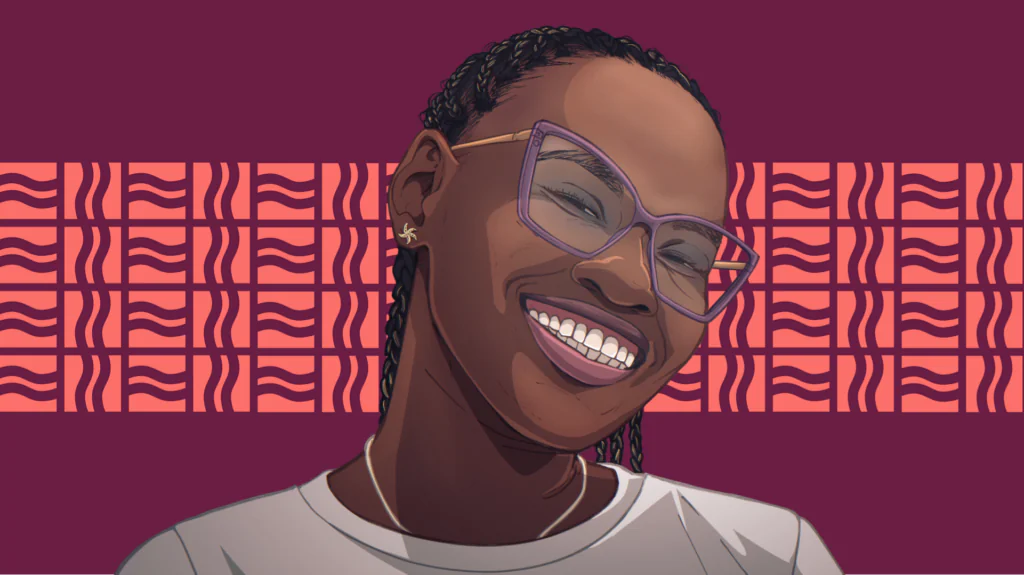
At ARJC, we got to connect with Liz, one of our frequent co-conspirators and a fierce feminist ally. Liz is a young, queer sex worker from Mombasa, Kenya who works for the Young Sex Workers Alliance (YoSWA) – a network of grassroots young sex worker led organizations.
“Our work at the YoSWA is mostly [focused] on advocacy for young sex workers. [We tackle] different issues affecting young sex workers [such as] criminalization of sex work, bans on our bodies, abortion rights, climate justice, feminist leadership building amongst sex workers, SRHR and HIV services access for young sex workers, and policy advocacy.”
Sex work in Kenya operates in a, “complex legal limbo.” The Kenyan Penal Code and the more recent Sexual Offences Act (2006) do not directly criminalize sex work but they instead criminalize the actions related to sex work such as acquiring a livelihood from sex work, willingly and knowingly offering a location for sex work and promoting the act of prostitution. The legislation that gets the closest to criminalization is the Penal Code which prohibits “soliciting or importuning for immoral purposes”. The cherry on top are the municipal by-laws that explicitly bar sex work through a combination of legislation that ban living off the proceeds of sex work, indecent exposure and “importuning for the purpose of prostitution.”
These legal restrictions combined with rampant stigma and a lack of supportive policies, make it difficult for sex workers in Kenya to access the reproductive healthcare services that they need. Liz shared candidly that this barrier can be seen clearly when young sex workers try to access contraception or other SRHR services.
“In my country you can access contraceptives or other SRHR services when you’re 21 years, but you know that young women and girls actually start having sex really really early, so the services are there but policies are not there to support our access.”
For context, in Kenya, the age of consent is 18 years however culturally most young people are still under the care of parents and guardians at this age and cannot freely and independently access contraceptives.
One way that YoSWA is addressing these barriers to reproductive healthcare is through a dedicated clinic for sex workers to access abortion services. The clinic provides support for folks as young as 18 to access abortions safely and with no questions asked. For Liz, the excitement is multiplied by the fact that this work also pisses off the patriarchy.
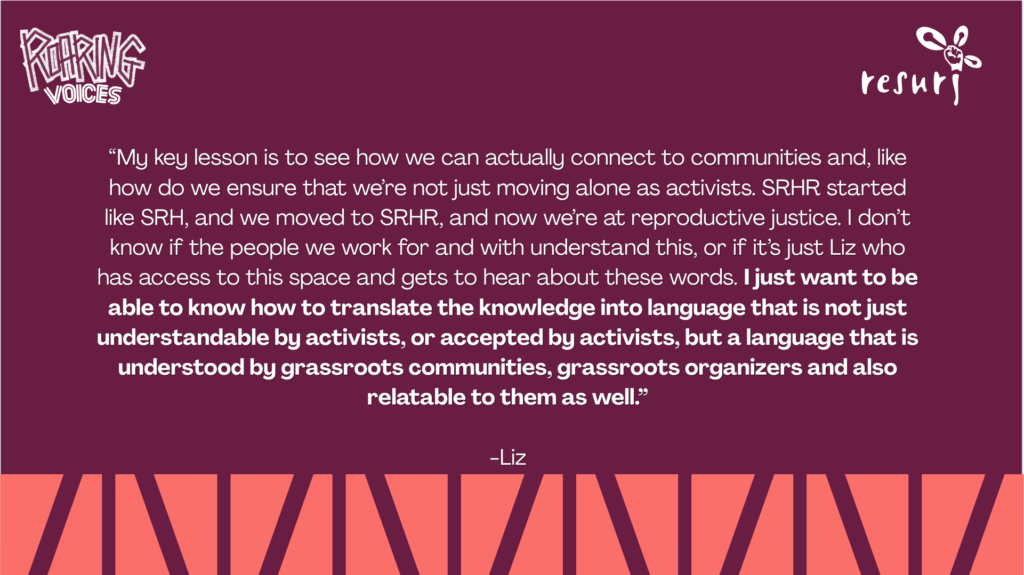
Reflecting candidly on her lessons learned at the Abortion and Reproductive Justice Conference (ARJC), Liz noted the need for greater inclusivity in conversations about abortion in order to make reproductive justice more accessible to grassroots communities that are not at the center of the feminist movement.
We ended the interview again with a focus on hope. What brings Liz hope in abortion advocacy work? More than pissing off the patriarchy, she’s hopeful because progress has been made, because access is increasing and because wins for abortion rights means that wins for sex workers are possible too.
“What gives me hope is the progress that we have been able to make, like standing here today, here in Nairobi, hosting an abortion and reproductive conference, it means [that] so many things are possible…. the organizing and the work that has been done for me to even say “I’m a queer sex worker and I stand for abortion rights and I love abortions”.
“And just to know that the abortion movement has made so much progress, I feel like I get so much hope learning from it, it gives me hope that we can make progress in policies when it comes to sex work also in this country and other african countries, so I just get so much hope thinking that I might actually be alive in this lifetime to see the decriminalization of sex work”.
***